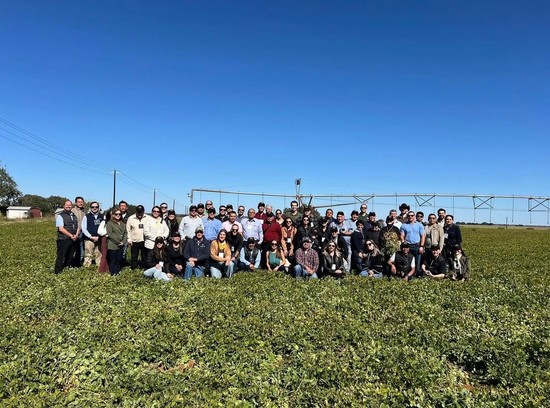
Courtesy: APC
National Peanut Board (NPB) President & CEO Ryan Lepicier recently traveled to Mexico City, Mexico and San Antonio, Texas as part of the American Peanut Council’s (APC) trade mission and reverse trade mission, respectively. Part of those efforts included collaborating with the U.S. Department of Agriculture (USDA) to deepen relationships in one of the most vital export markets for U.S. peanuts. APC’s reverse trade missions’ activity is funded under USDA’s foreign market development program.
The trade mission focused on strengthening long-standing partnerships, identifying new growth opportunities and reinforcing the shared commitment to delivering high-quality American peanuts to a market where they are part of everyday life.
Mexico remains the number one export destination for U.S. peanuts, thanks to both product excellence and cultural resonance.
In 2024, U.S. peanut exports to Mexico totaled 143,000 metric tons valued at $230 million, and shipments this year have already reached 93,000 metric tons, representing $143 million in trade. These figures underscore the importance of strong bilateral relationships and the continued efforts to support peanut farmers and global demand. Throughout the mission, industry leaders highlighted how deeply peanuts are woven into Mexico’s culinary identity.
Peter Vlazakis of the APC emphasized their widespread appeal, from roasted street-vendor favorites to essential ingredients in traditional dishes.
“Peanuts are a staple in everyday life across Mexico,” he said.
“And the U.S. continues to be the best provider for them.” Lepicier shared his enthusiasm for the collaboration and the meaningful progress made during the trip. “This mission reaffirmed how valued U.S. peanuts are in Mexico and how strong our partnerships have become,” he said. “Expanding these relationships not only supports our growers back home but also helps ensure that peanuts remain a cherished part of daily life for millions of Mexican families.”
As the APC and USDA continue to build on this momentum, the strengthened relationships and renewed commitment to agricultural diplomacy signal a bright future for U.S. peanut exports, supporting farmers, expanding global reach and enhancing the connection between two peanut-loving nations.